AI
ChatGPT Advanced Account Security in 2026 — passkeys without losing access
I keep seeing security teams flip OpenAI workspaces to phishing-resistant sign-in paths before help-desk spoofing catches up—you should know what enrolling actually buys and what breaks.
 Shashikant Dwivedi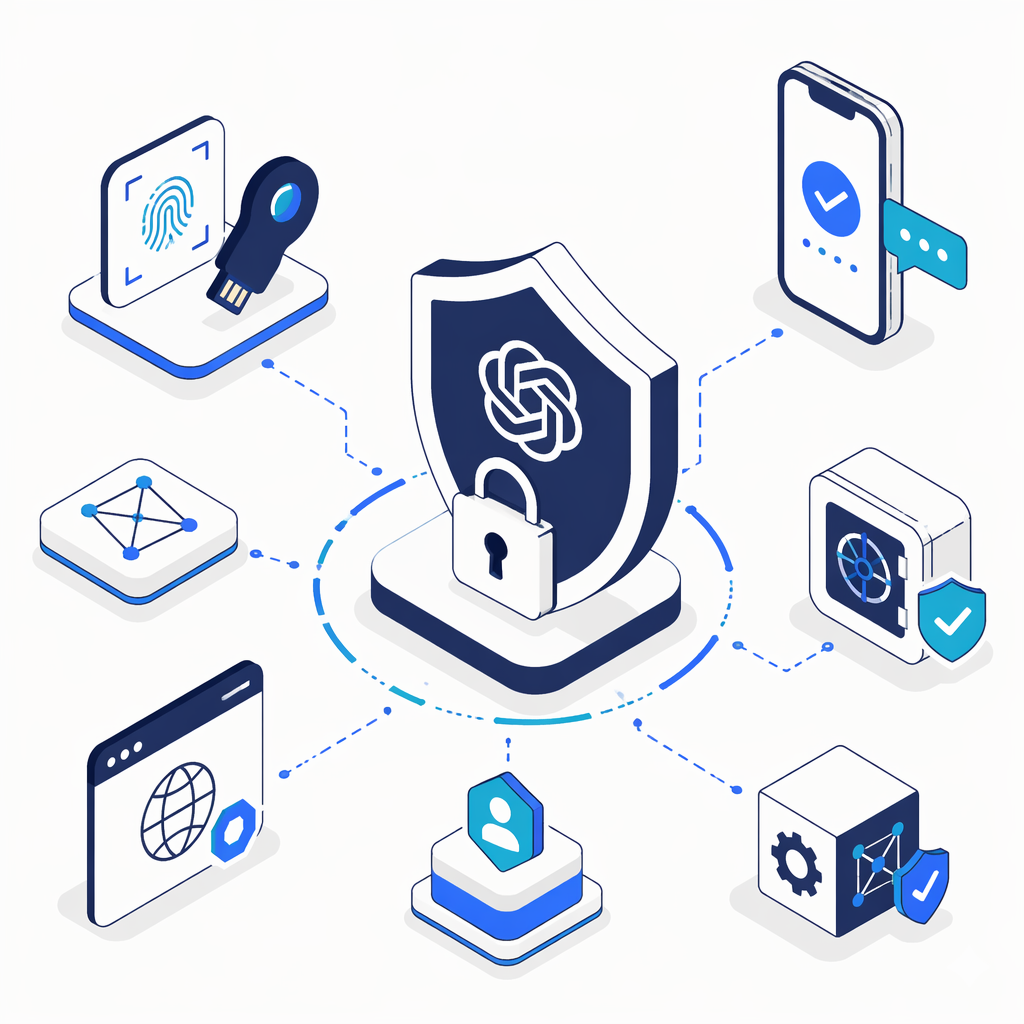
I am watching the usual pattern repeat inside security-aware Slack channels: somebody drops a phishing exercise result, mentions how trivial it was to collect an OTP screenshot, then leadership asks ChatGPT admins “what are we doing about it?” Between the public Introducing Advanced Account Security write-up, ChatGPT enrollment at chatgpt.com/advanced-account-security, and the dated entry on ChatGPT — Release Notes (April 30, 2026), momentum is visibly shifting—you do not want to be the teammate still explaining SMS MFA like it is unbeatable.
Too long; show me where to spend time tonight
- Decide whether phishing-resistant workflows are warranted for your risk profile.
- Enroll deliberately: multiple passkeys, rehearsed backups, audited recovery narratives.
- If you federate workspaces, replay OpenAI SSO guidance slowly—nothing optional about rollback lanes.
- Split ChatGPT sessions vs production API secrets in reviews so audits stay honest.
Early movers enroll before regrets cost days
If you postponed phishing-resistant rollout because onboarding felt fiddly, the gap quietly widened. OpenAI framed Advanced Account Security as tighter identity controls for ChatGPT (and Codex) that favor FIDO-aligned mechanisms while constraining sloppy recovery narratives—paired with sober warnings that recovery via familiar email OTP chains may no longer resemble what power users memorized. That is uncomfortable on purpose because help-desk spoofing usually rides the least exotic path someone will approve on a frantic ticket.
Across industry primers—from the FIDO Alliance passkeys portal (fidoalliance.org/passkeys) to the W3C Web Authentication drafts (Level 3 candidate snapshot January 2026)—what changed in my head reading these materials next to OpenAI docs is blunt: phishing-resistant MFA is less about ticking “MFA everywhere” dashboards and more about binding cryptographic ceremonies to trusted origins, so counterfeit sites choke even when users earnestly cooperate.
Organizations that already leaned on phishing simulations are enrolling now because delaying means another quarter of engineers typing six-digit OTPs while attackers refresh proxy pages—not because someone invented scarcity.
What Advanced Account Security tightens besides MFA slogans
The helpful mental split is:
| Plane | Typical baseline consumer controls | What Advanced Account Security pushes |
|---|---|---|
| Primary sign-in proof | Password + discretionary MFA modality | Prefer FIDO/passkey-class attestations surfaced through ChatGPT enrollment |
| Recovery & support framing | Email/SMS reset habits | Reduced reliance on casually phishable channels; disciplined backup material |
| Org-scale controls | Ad hoc MFA reminders | SSO, domain posture, consoles described in docs like SSO Overview + Global Admin Console |
Passkeys versus one-time codes where attackers stall
OTP codes—whether SMS, email, authenticator grids, or some push approvals—still leave room for coached users to hand secrets to counterfeit surfaces. Hardware keys or device-bound credentials cut that story because phishing sites cannot finish the cryptographic ceremony your browser expects—the mental model echoed in OpenAI Passkeys docs and FIDO-backed explainers like Yubico’s partnership notes (investor-facing release).
Borrow the runnable mental model inside /snippets/chatgpt-advanced-account-securit-01-passkey-vs-otp-threshold when teammates ask why “we already had MFA Monday” misses the phishing nuance—you will walk them through attacker replay surfaces instead of re-litigating acronym soup.
Separately remember OpenAI MFA help emphasizes flip-on MFA ≠ auto sign-outs everywhere. Session grooming still intersects Log out of all devices? guidance about propagation delays—you still schedule hygiene.
Rolling SAML SSO without freezing the tenant
Workspace administrators who raced identity centralization describe the failure mode vividly: SSO metadata typo on Friday, frantic Zoom on Monday. Configuring SSO literally warns tenants that misconfiguration yields whole-org lockouts unless you staged optional SSO rollout plus parallel rollback sessions—I encoded that choreography (without touching live APIs) in /snippets/chatgpt-advanced-account-securit-02-sso-cutover-runbook.
While you tighten consumer-grade Advanced Account Security, remember enterprise peers often pair verified domains (domain verification FAQ), SCIM distinctions between Business and Enterprise (see SSO FAQ for ChatGPT Business), and Codex MFA expectations—skipping rehearsals now means scrambling while identity vendors ship the same guidance to competing teams.
If procurement folks drop “FedRAMP” in your thread, skim the FedRAMP Marketplace listing for ChatGPT Enterprise + API Platform alongside OpenAI’s security & privacy hub so rhetoric maps to contractual scope instead of vibes.
Separate ChatGPT login hardening from API secret hygiene
The quiet foot-gun remains conflating “we secured ChatGPT” with OpenAI Production API posture. Guidance like Best practices for API key safety plus Production best practices still screams what security engineers already chant: vault server-side credentials, rotate deliberately, never ship keys to browsers. The TypeScript stub in /snippets/chatgpt-advanced-account-securit-03-api-login-split is only a teaching aid, but it encodes the boundary audits should expect.
If you want adjacent browser-side AI experiments (still unrelated to OpenAI security controls), my earlier walkthrough on Meet Window.AI shows how fast client integrations move—another reason server secrets never belong in those surfaces.
Frequently asked questions
Does ChatGPT Advanced Account Security replace MFA?
Not in the “delete your factors” sense. OpenAI documents Advanced Account Security as stronger baseline controls that emphasize phishing-resistant identity elements and stricter recovery—not a promise that every classic MFA option quietly disappears. Plan communication so users know what enrolled factors still count versus what changes under help-desk escalation.
Why should teams prefer passkeys ahead of SMS or TOTP?
Because many OTP flows tolerate user-assisted relay: someone types digits into whichever modal looks trustworthy. WebAuthn anchors proof to relying parties and modern passkey UX simply surfaces that cryptography to humans who no longer memorize certificate details.
Can SAML SSO lock out an entire ChatGPT workspace?
Yes—OpenAI SSO articles describe misconfiguration cascading into unavailable sign-in paths. Maintain optional federation during pilots, stash known-good SAML metadata snapshots, rehearse rollback with dual browser profiles, and only enforce once canaries finish.
How do API keys differ from ChatGPT login security?
Login controls mitigate account takeover inside ChatGPT consoles; production API keys gate automation powering your services and demand vaulting plus rotation choreography per OpenAI’s platform guidance—even if MFA is immaculate on desktops.
What backup steps matter before stricter recovery?
Treat recovery materials like ransomware backups: geographically diverse passkey registrations, secure offline storage for printed recovery codes (if surfaced), scripted walkthrough for lost hardware, stakeholder list for revocation and re-provisioning—all before the policy window closes during an incident weekend.
Suggested next reads
- Drill Trusted Access for Cyber deadlines if defenders in your orbit reference OpenAI cyber programs—you want policy straight from official trusted access narratives rather than rumor.
- Sketch a comparison matrix translating FedRAMP package scope into your internal security questionnaire using the Marketplace metadata plus procurement notes from your compliance team—no blog post substitutes legal review here.
- Re-read How can I keep my OpenAI accounts secure? quarterly; product surfaces evolve faster than long-form essays refresh.
- If browser-side AI ergonomics intrigue you separately, skim Meet Window.AI—useful intuition for why client integrations must never shepherd API secrets.
If you rehearse phishing-resistant onboarding now, tomorrow’s tabletop exercise is dull in the healthiest possible way—you will already know which teammate keeps the spare hardware token and why Advanced Account Security tightened recovery before attackers tightened their scripts (OpenAI explainer recap).
Written by Shashikant Dwivedi
Engineer, occasional writer, full-time noticer. Based in Prayagraj, India. New essays land roughly twice a month.
Keep reading
Adjacent essays.

AI
Meet Window.AI: Where Browsers Meet AI Intelligence ✨ | 2024 Guide
Oct 26, 2024 · 3 min

App Development
How to Manage Multiple Flutter SDK Versions on One Computer using FVM
Oct 10, 2025 · 3 min
App Development
How to Forward an Emulator Port to Your PC Using ADB (Beginner’s Guide)
Oct 9, 2025 · 1 min
The newsletter
New articles in your inbox.
Occasional articles on engineering, tooling, and software development practices. No marketing, no fluff — just the article, when it's ready.
Unsubscribe with one click. Your email never leaves the list.